In “Schizophrenic. Killer. My Cousin,” the author, Mac McClellan, advocates for the increase in funding for mental health in America because he believes that it will decrease violence, save money, save a “misunderstood population.” At a time in this country where gun violence is high and more people with mental health issues are ending up on the streets and in jail, he believes that this funding is important. McClellan, who’s directly affected by family with mental health issues, gains credibility
McClellan begins with a heavy appeal to the readers’ pathos by giving anecdotes about his cousin, Houston, who, once a normal child, became schizophrenic and gruesomely murdered his father. Before, the doctors diagnosed Houston with the wrong condition, gave him the wrong drugs, and said if that didn’t work, to call the police. This chilling story is tied to many others, such as the Aurora movie theater and Sandy Hook shootings. By appealing to unsettling emotions, McClellan is able to show that there is a need for an improvement in the healthcare system of treating mental health.
McClellan begins with a heavy appeal to the readers’ pathos by giving anecdotes about his cousin, Houston, who, once a normal child, became schizophrenic and gruesomely murdered his father. Before, the doctors diagnosed Houston with the wrong condition, gave him the wrong drugs, and said if that didn’t work, to call the police. This chilling story is tied to many others, such as the Aurora movie theater and Sandy Hook shootings. By appealing to unsettling emotions, McClellan is able to show that there is a need for an improvement in the healthcare system of treating mental health.
McClellan then shifts to a heavy appeal to the readers’ logos by giving statistics and strong reason. He says, “They got Medicare and Medicaid, but [policymakers] didn't think about food. And haircuts. Clothes. How to find a place to live.” He is showing that there is a lack of resources being provided to mental health patients, which digs them into a deeper hole, and causes more problems, such as violence (eventually landing them in jail) and homelessness. McClellan also says, “Two to three thousand dollars in treatment saves $50,000 in jail,” which clearly shows that it makes more economic sense to spend money on prevention of mental health violence than punishing untreated mental health patients. By showing that there is reason to increase the mental health budget in America, McClellan effectively builds up his purpose.
McClellan finally shifts back to an appeal on the readers’ pathos by returning to Houston’s story. He explains that Houston is now being properly treated and is looking forwards to be a fully functioning member of society. Houston says, “he hopes he never goes to that place again, where he hears voices that say his parents are against him.” McClellan emphasizes that this could be the outcome for mental health patients across the globe if the government gives them more resources. This increases the readers’ sympathy for these people and helps him to achieve his purpose.
Overall, McClellan effectively is able to convey his purpose due to a balance of appeals to logos and pathos. This text even is strong enough to convince people who are against mental health spending.
McClellan finally shifts back to an appeal on the readers’ pathos by returning to Houston’s story. He explains that Houston is now being properly treated and is looking forwards to be a fully functioning member of society. Houston says, “he hopes he never goes to that place again, where he hears voices that say his parents are against him.” McClellan emphasizes that this could be the outcome for mental health patients across the globe if the government gives them more resources. This increases the readers’ sympathy for these people and helps him to achieve his purpose.
Overall, McClellan effectively is able to convey his purpose due to a balance of appeals to logos and pathos. This text even is strong enough to convince people who are against mental health spending.
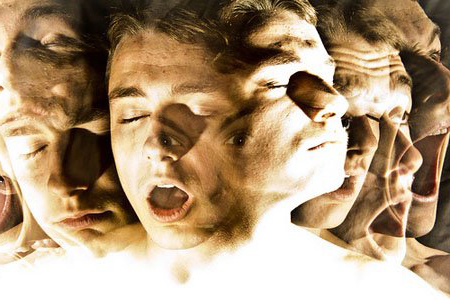 |
| Schizophrenia is one of the many types of mental health issues (http://www.newhealthadvisor.com/images/1HT00454/schizophrenia.jpeg) |

No comments:
Post a Comment